

TL;DR:
- Novelty items are affordable, fun products that create instant excitement at UK events.
- Proper selection and display of novelties boost impulse sales and event engagement.
- Sourcing safety-tested, seasonal, and trendy novelties ensures a successful, memorable event.
Most people hear “novelty items” and picture a joke-shop whoopee cushion or a dusty trinket from a pound bin. Let’s be honest, that reputation does novelties a serious disservice. In reality, these quirky little products are the unsung heroes of UK children’s parties, school fairs, seasonal markets, and fundraising events. Get them right, and they create genuine excitement, drive impulse purchases, and give guests something to grin about long after the bunting comes down. Get them wrong, and you’ve wasted a budget on things that nobody wanted. This guide is here to make sure you’re firmly in the first camp, with clear definitions, practical frameworks, and actionable sourcing tips.
Table of Contents
- Defining novelty items in the UK retail and event space
- Categories and top sellers: What works in UK events
- Why novelty items drive sales and event excitement
- Choosing and sourcing novelty items: Insider tips
- Novelty items: More than just cheap thrills
- Source your novelty items for guaranteed event fun
- Frequently asked questions
Key Takeaways
| Point | Details |
|---|---|
| Clear definition | Novelty items are affordable, fun objects designed to entertain and engage at events. |
| Event essentials | They are key to boosting sales, excitement, and fundraising success at UK events. |
| Smart sourcing | Choosing the right supplier and variety ensures both value and positive attendee experience. |
| Trend awareness | Staying up to date with top-selling categories helps maximise impact and profits. |
Defining novelty items in the UK retail and event space
So what actually counts as a novelty item? It’s a question worth pinning down before you start filling a supplier basket. Novelty items are cheap, unusual objects such as small toys, gadgets, flashing lights, inflatables, and sweets with fun elements, typically given as presents or used for entertainment at events. That’s a broad definition, and rightly so, because the category is genuinely wide.
The key characteristics that set novelty items apart from mainstream gifts are simplicity, affordability, and the immediate “ooh, what’s that?” reaction they trigger. They don’t need instructions. They don’t need batteries (most of them, anyway). They just need to delight someone the moment they pick them up.
Here’s a quick snapshot of the core product types you’ll encounter:
- Mini toys and playsets: Capsule toys, wind-ups, bouncy balls, character figures
- Flashing and light-up items: LED wands, glow rings, flashing badges
- Inflatables: Bananas, hammers, dinosaurs, guitars
- Novelty sweets and edibles: Candy necklaces, popping candy, sweet cigarettes
- Novelty stationery: Shaped erasers, joke pencils, wacky rulers
- Seasonal gadgets: Easter chick whistles, Halloween slime, Christmas crackers with surprises
To understand how novelty items compare to traditional gifts, this table puts things side by side:
| Feature | Novelty items | Traditional gifts |
|---|---|---|
| Price point | Under £1 to around £3 | £5 and above |
| Primary appeal | Instant fun and surprise | Sentimental or practical value |
| Typical use | Party bags, prizes, stalls | Birthdays, milestones |
| Longevity | Short to medium | Medium to long |
| Buying motivation | Impulse or bulk | Considered purchase |
At parties, fairs, and school events, novelty items do something that expensive gifts rarely manage: they spread the joy around. One large prize for one winner is fine, but a table full of colourful novelties means every child walks away with something exciting. That’s the magic. For prize toy ideas that genuinely work at UK events, the variety on offer today is remarkable. And if you’re new to bulk buying, exploring affordable toys sourcing strategies will help you stretch every penny further.
Categories and top sellers: What works in UK events
With a firm grasp of what novelty items are, next we’ll see which types perform best at real UK events and why. Because not all novelties are created equal, and knowing your audience makes all the difference.
The UK gifts retailing market is valued at GBP 9.6 billion in 2025, projected to reach GBP 14.2 billion by 2033, with seasonal and novelty items playing a significant and growing role in that figure. That’s not a niche. That’s a genuine commercial force.
So which categories are moving the most stock right now? Here’s what we see flying off tables at UK events:
| Category | Best suited events | Why it works |
|---|---|---|
| Party bag toys | Children’s parties, school events | Affordable, collectable, theme-friendly |
| Inflatables | Fairs, outdoor events, discos | High visual impact, great value |
| Novelty hats and accessories | Seasonal fairs, Halloween, Christmas | Instant costume, photo-friendly |
| Flashing and light-up gadgets | Evening events, discos, fireworks nights | Creates atmosphere, appeals to all ages |
| Festive gadgets | Easter, Christmas, Halloween stalls | Seasonal demand drives strong sales |
| Sweet novelties | School fairs, community events | Universally popular, low price resistance |
Age group matters more than most vendors realise. Under-fives love bright colours and simple tactile items like squishies or wind-up toys. Children aged six to ten gravitate towards collectibles, slime, and anything slightly gross or surprising. Tweens? They want something that looks cool or makes their friends laugh. Matching the item to the age group isn’t optional, it’s the difference between a stall that buzzes and one that barely breaks even.
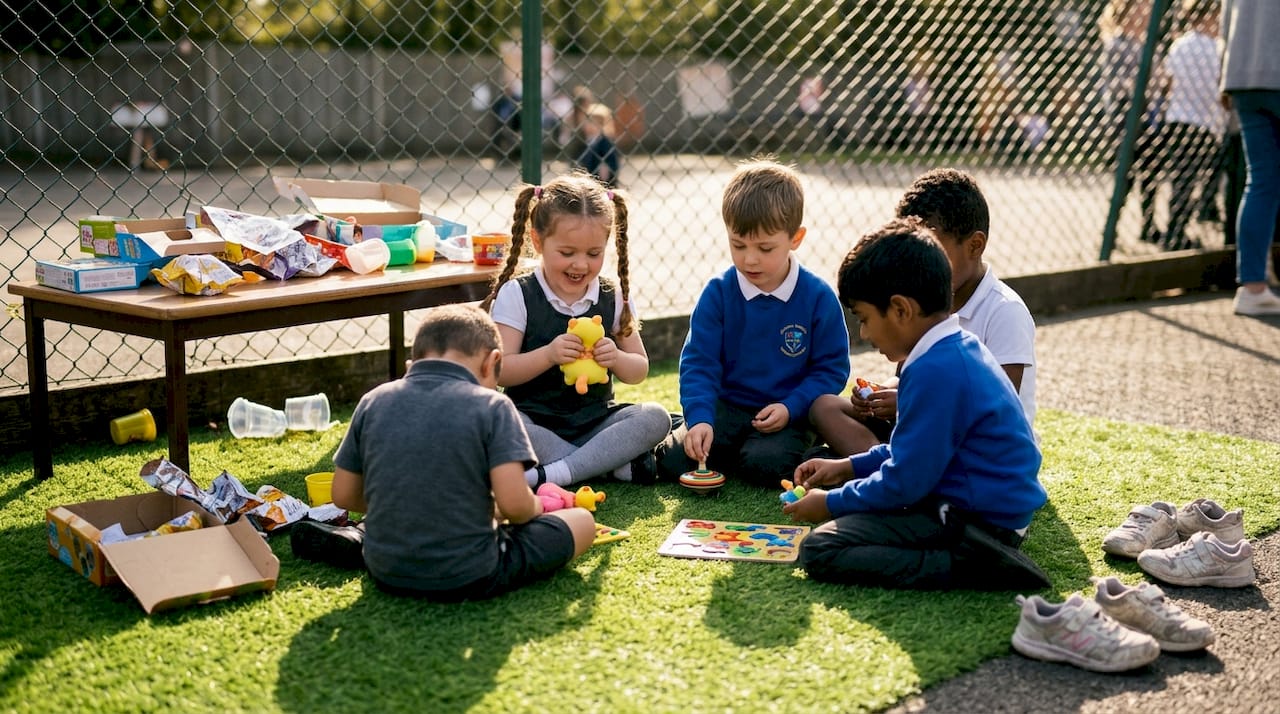
Seasonal trends are equally powerful. Halloween brings demand for slime, skeleton accessories, and plastic spiders. Christmas pushes novelty crackers, stocking fillers, and light-up items. Easter is all about egg-shaped surprises and chick-themed toys. Planning your stock around the calendar rather than buying generic items year-round gives you a real edge.
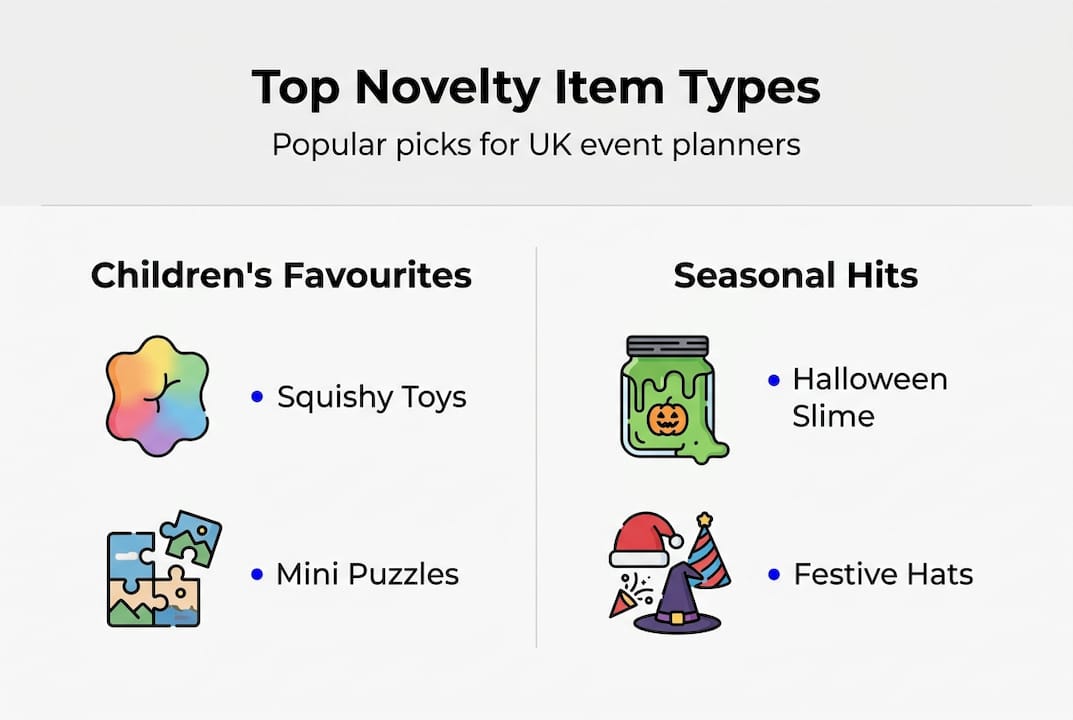
Pro Tip: When selecting items for a specific event, pick one or two “hero” novelties that fit the theme perfectly and build the rest of your range around them. A zombie hand emerging from a tub of slime at Halloween creates a centrepiece moment. Use top prize ideas from proven UK events to guide your picks, and lean on affordable toy tips to keep your margin healthy.
Why novelty items drive sales and event excitement
Knowing the top sellers is vital, but what makes novelty items so effective and enduring at UK events? Let’s uncover why they move the dial.
It comes down to psychology as much as product. Novelty items create what you might call a “discovery moment.” Someone spots a flashing ring or a stretchy alien figure, they pick it up, and before they’ve consciously decided to buy it, it’s already in their hand. That’s the impulse buy at work, and it’s genuinely powerful. UK toy sales rose across half of all categories in 2025, with wacky, silly, and light-up toys leading that growth.
For fundraising events specifically, novelty items are almost unbeatable. They create a perceived value that outstrips their actual cost. A child sees a glow wand priced at 50p and thinks “brilliant, I want one.” The parent hands over a pound and says “keep the change.” That’s fundraising with novelty items working exactly as it should.
Here’s why novelty items consistently outperform expectations at events:
- Low price resistance: Most items sit under the psychological £1 or £2 barrier, making purchase decisions near-instant
- Visual appeal: Bright colours, movement, and light draw attention from a distance
- Collectability: Children want more than one, which multiplies spend per visitor
- Shareability: Kids show friends, which creates a ripple of demand across the event
- Versatility: The same item can serve as a prize, a party bag filler, or a stall product
There’s also a longer-lasting dimension that people overlook. Yes, some novelties are one-use jokes. But others, a quirky desk figure, a novelty pen, a flashing badge, stick around for months. They end up on bedroom shelves or in pencil cases, quietly reminding the child of a brilliant day. That’s genuine brand building, whether the brand is a school, a charity, or a market stall.
Pro Tip: Display novelty items at eye level for children, roughly 80 to 100 centimetres from the floor. Group items by colour or theme rather than price, and let kids handle them. Touch leads to attachment, and attachment leads to sales. It’s simple, but it works every time. Explore prize toy strategies for more ways to display and position items for maximum impact.
Choosing and sourcing novelty items: Insider tips
To turn these insights into action, here are practical strategies for choosing and sourcing the best novelty items for your next UK event.
Start with your budget and work backwards. Knowing your total spend helps you calculate pack sizes, variety, and how many items you can realistically offer. Most successful event vendors aim for a minimum margin of 50%, though 100% or more is entirely achievable with the right how to source affordable novelties approach.
Here’s a numbered checklist to guide your buying decisions:
- Define your event type and audience. A school fair for five to ten-year-olds needs very different stock from an adult Halloween market.
- Check safety compliance. All novelty toys for children must carry UKCA or CE markings. This is non-negotiable and protects both you and your customers.
- Calculate pack sizes carefully. Buying 100 units of one item may cost less per unit, but variety keeps a stall looking fresh and exciting.
- Plan for seasonality. As the UK gifts retailing market data shows, seasonal novelties outperform generic items, so time your orders accordingly.
- Order with lead time. Peak seasons like Christmas and Halloween see supply tighten quickly. Order four to six weeks ahead to avoid disappointment.
Beyond the checklist, keep these points in mind when dealing with suppliers:
- Look for suppliers with no minimum order requirements so you can test new lines without committing to hundreds of units
- Favour suppliers offering fast UK delivery, especially for last-minute event additions
- Ask about age-appropriate labelling, as novelty items such as small parts or certain inflatables carry age restrictions
- Avoid buying into fads without evidence of demand. Trends move fast, and unsold stock eats into your margin
Common pitfalls are predictable once you know them. Buying solely on price and ignoring pack size is probably the most frequent mistake. A bulk pack of 500 identical items might seem like a bargain, but if your event only draws 100 visitors, you’re carrying 400 units home. Mix your range. Keep variety high and quantities sensible until you know what sells. Tips for running a toy stall in the UK cover this brilliantly if you want a deeper look.
Pro Tip: Use current market data to inform your selection. Wacky toys, collectibles, and light-up items are all trending upwards in the UK market right now. If you’re unsure where to start, lean into these categories first.
Novelty items: More than just cheap thrills
Here’s what most industry guides miss about novelties, especially for ambitious UK organisers. The conventional view treats them as fillers, things you scatter into a party bag to bulk it out or pile on a stall to keep kids quiet. That thinking is leaving money, and memories, on the table.
The events we remember from childhood aren’t the ones with the most expensive prizes. They’re the ones where something completely unexpected made us laugh, made us feel clever, or gave us something brilliant to show our mates on Monday morning. A 30p wind-up toy can do that. A £15 gift set rarely does.
For retailers and event organisers, the real opportunity is treating novelty items as experience builders rather than budget padding. When you think that way, your stall layout changes. Your selection becomes more deliberate. You start thinking about the moment someone picks something up, not just the moment they pay for it. That shift in perspective is worth more than any single sourcing deal. A visit to our fundraising event tips page shows exactly what that looks like in practice.
Source your novelty items for guaranteed event fun
If you’re ready to put these ideas into action, here’s how to make sourcing a success. At TC Toys, we stock a wide range of novelty items designed specifically for UK retailers, market stall vendors, and event planners who need quality, variety, and fast delivery without the faff of minimum orders.
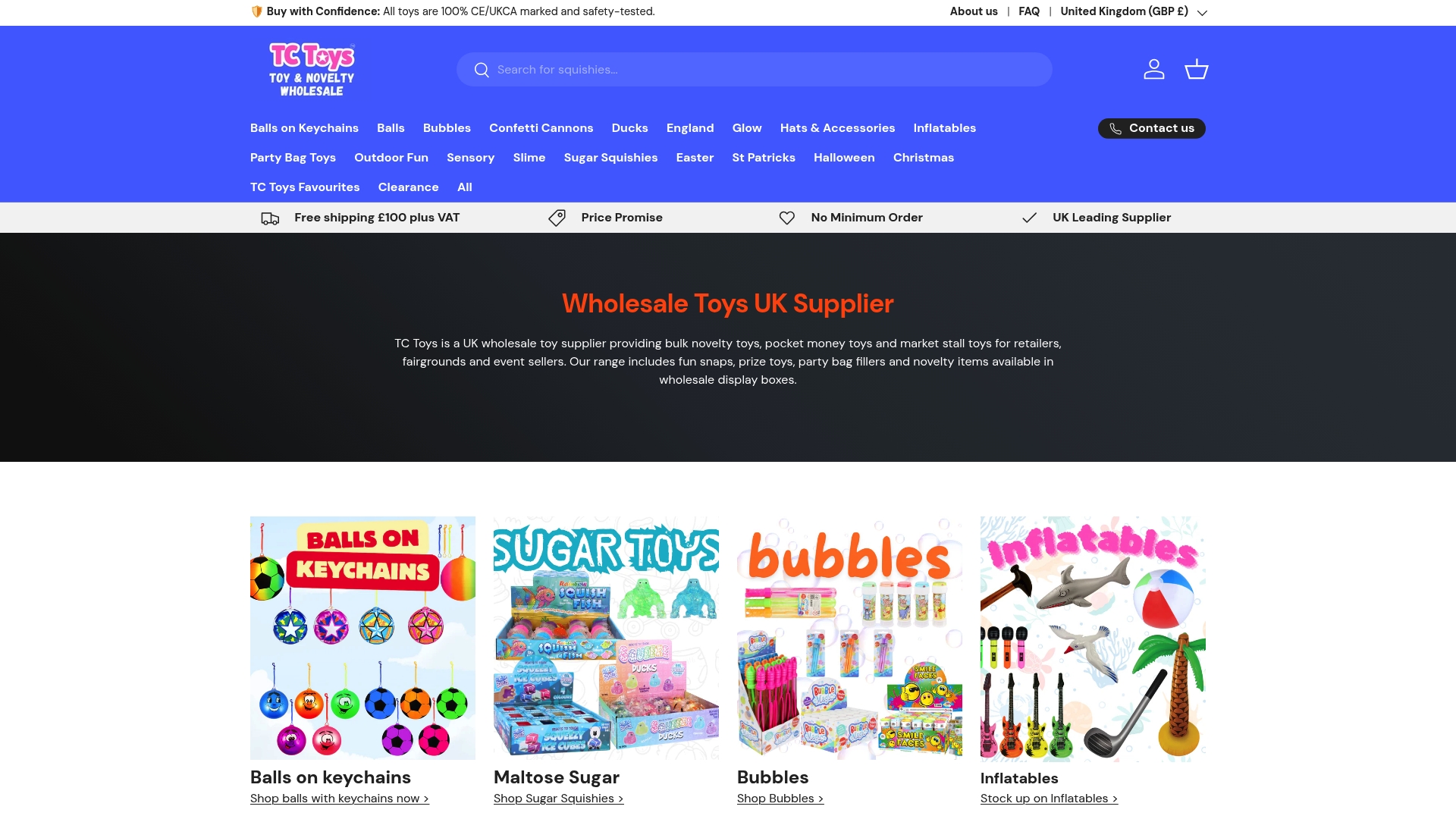
Whether you’re filling party bag toys for a birthday bash, stocking up your market stall toys for the next fair, or sourcing PTA event supplies for a school fundraiser, we’ve got you covered. All our products are CE/UKCA marked and safety-tested, so you can buy with confidence. Browse the range today and find the novelties that’ll make your next event genuinely unforgettable.
Frequently asked questions
What are classic examples of novelty items for children’s parties?
Classic novelty items include inflatables, flashing gadgets, character erasers, themed hats, and sweets with playful packaging. These tend to be low-cost, instantly appealing, and perfect for party bags or prize tables.
Are there specific safety standards for novelty items in the UK?
Yes, most novelty toys and items for children must comply with UKCA or CE safety standards and labelling requirements. Always check markings before buying in bulk to protect both your customers and your business.
How do novelty items help with fundraising events?
They attract impulse purchases and add excitement, making them ideal for PTA and charity fundraising stalls. The low price point drives quick sales and encourages repeat visits to the stall throughout the event.
What is the difference between novelty gifts and traditional event prizes?
Novelty gifts prioritise fun and quirkiness, whereas traditional event prizes are often higher value and more conventional. Novelties work brilliantly as supplementary prizes or party bag fillers where variety and surprise matter more than monetary value.